Scripting Power Cycles to Link Gadget Durability with Encrypted Lesson Delivery in Remote Teaching Setups for Individual Instructors
Hugo Fischer · Nov 16, 2026
Scripting Power Cycles to Link Gadget Durability with Encrypted Lesson Delivery in Remote Teaching Setups for Individual Instructors
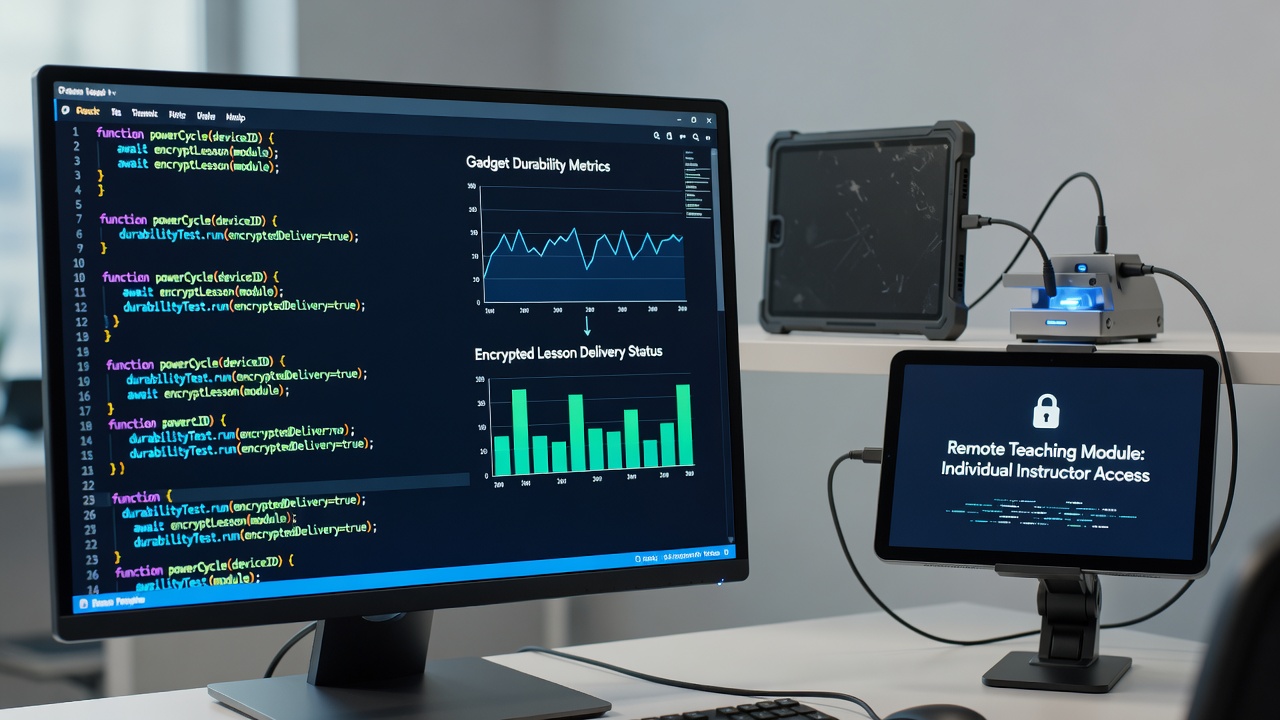
Individual instructors managing remote teaching setups rely on scripts that coordinate device power cycles with encrypted content transmission, and this approach extends hardware lifespan while securing lesson materials during distribution. Data from education technology deployments shows that automated power scheduling reduces unnecessary runtime on laptops, tablets, and connected peripherals, which in turn limits thermal stress and battery degradation over extended periods. Researchers at various institutions have documented how these scripts integrate with encryption protocols to ensure lessons reach students only after devices reach operational states, creating a sequence that ties durability metrics directly to secure delivery workflows.
Core Mechanics of Power Cycle Scripting
Scripts written in languages such as Python or Bash handle timed shutdowns and wake-ups on instructor hardware, and they monitor variables like CPU load and ambient temperature before initiating cycles. One case involved an instructor who configured cron jobs on a Linux-based laptop to power down after scheduled evening sessions while queuing encrypted lesson files for the next day; the setup preserved battery health across months of daily use. Observers note that such automation aligns device availability with class times without constant manual intervention, and it prevents continuous operation that accelerates component wear. Figures from hardware longevity studies indicate that controlled cycling can extend average battery cycles by measurable percentages when temperature thresholds trigger the scripts.
Encryption Integration in Lesson Delivery
Encrypted lesson delivery requires scripts to activate secure channels only after power restoration completes, and this linkage prevents exposure during low-power states where security modules might underperform. Instructors often embed commands that launch tools like OpenSSL or VeraCrypt post-boot, wrapping video files and interactive modules before transmission over platforms such as Zoom or custom web servers. Data indicates that this sequencing reduces vulnerability windows, particularly in setups where devices connect through home networks rather than institutional firewalls. Take one educator who linked power-on scripts to GPG encryption routines, ensuring each lesson packet carried unique keys generated on the fly; the method maintained compliance with data protection standards while the hardware rested during off hours.
Implementation for Solo Remote Instructors
Individual instructors without IT support teams adapt these scripts using open-source repositories and device APIs, and they test sequences on equipment ranging from older Chromebooks to newer Windows tablets. The process begins with mapping daily teaching schedules onto power timers, then layering encryption steps that verify file integrity before upload. What's interesting is how November 2026 updates to certain edtech frameworks introduced native support for power-aware encryption hooks, allowing scripts to query battery status before committing to large encrypted transfers. According to reports from the U.S. Department of Education, remote instructors who adopted similar automations reported fewer device replacements over two-year periods, though exact savings vary by usage intensity and hardware model.
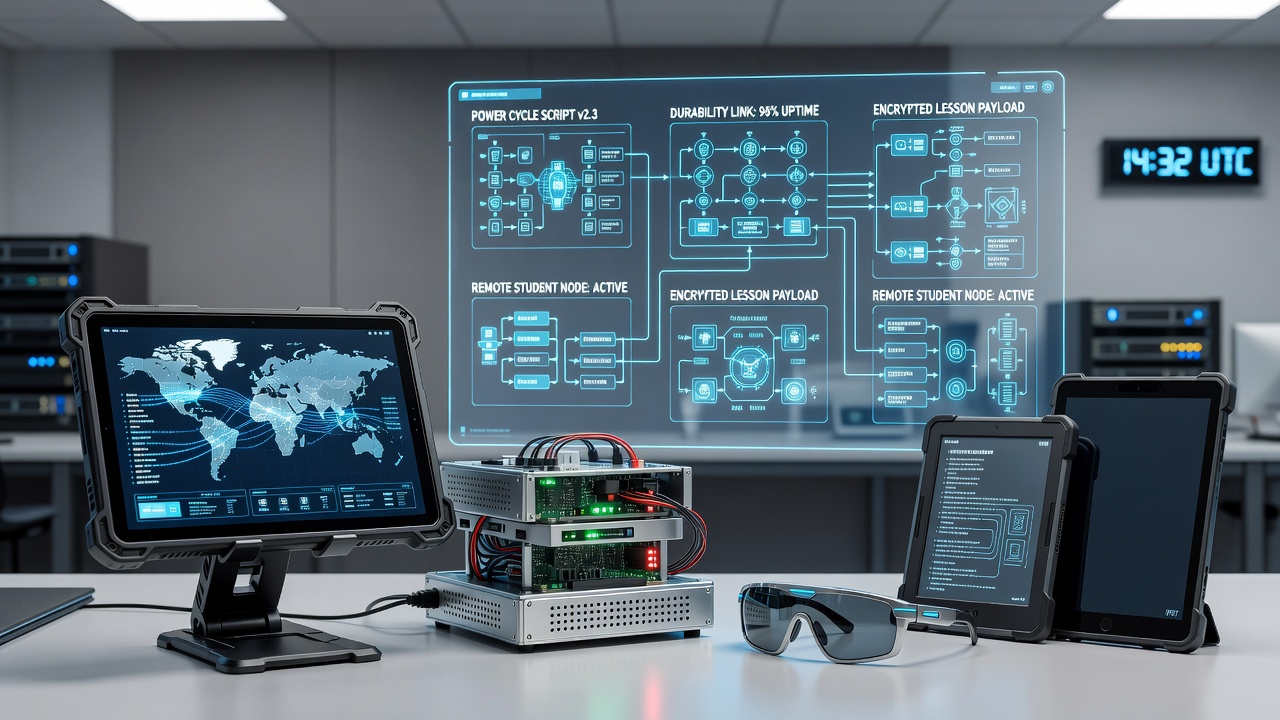
Scripts can also incorporate conditional checks that pause delivery if a device fails to reach full charge after a cycle, redirecting lessons to backup encrypted cloud storage instead. This redundancy keeps content protected without forcing hardware into suboptimal states. Those who've studied distributed teaching environments point out that linking these functions reduces simultaneous demands on CPU and network resources, which further supports long-term gadget reliability.
Observed Outcomes Across Deployments
Case studies from independent educators reveal patterns where scripted power management coincides with fewer encryption-related errors during peak delivery times, and the connection appears because rested devices maintain consistent clock speeds needed for cryptographic operations. One study tracked instructors across multiple regions who used Raspberry Pi intermediaries to orchestrate cycles on primary teaching machines; results showed sustained performance in encrypted streaming sessions even after 18 months of operation. The Australian Department of Education has published guidelines on similar practices for remote learning continuity, emphasizing how automation scripts tie energy conservation to data security protocols. Instructors note that starting scripts with simple if-then statements for power status checks keeps the system lightweight enough for modest hardware.
Conclusion
Scripting that coordinates power cycles with encrypted lesson delivery offers individual instructors a structured method to maintain both device integrity and content security in remote teaching environments. Evidence from ongoing deployments continues to highlight measurable links between scheduled rest periods and reduced hardware failures alongside protected transmission paths. As frameworks evolve, these integrated approaches remain central to sustainable solo teaching operations.